Hashtags: 1-2 per post max. Rotating: #Graphene #DeSci #RWA #AdvancedMaterials #DeepTech #ClimaTech #SpaceTech
Save triggers: Lists, data, stats — "Bookmark this"
Reply triggers: Questions, polls, hot takes, "which one surprises you?"
Share triggers: "Most people don't know..." format, "Repost if you learned something"
Quote RT triggers: Contrarian takes with data backup
Thread format: Used twice for bookmark/save optimization
Compliance (Carried Forward)
No Round 1 CTAs. No value-accrual. No AP-activity confessions. No follow/repost/DM mechanic.
Entity separation on all partner references. Standing disclaimer rotated daily.
Friday, May 8
9:30 AM ETEveryday Life + Save Trigger
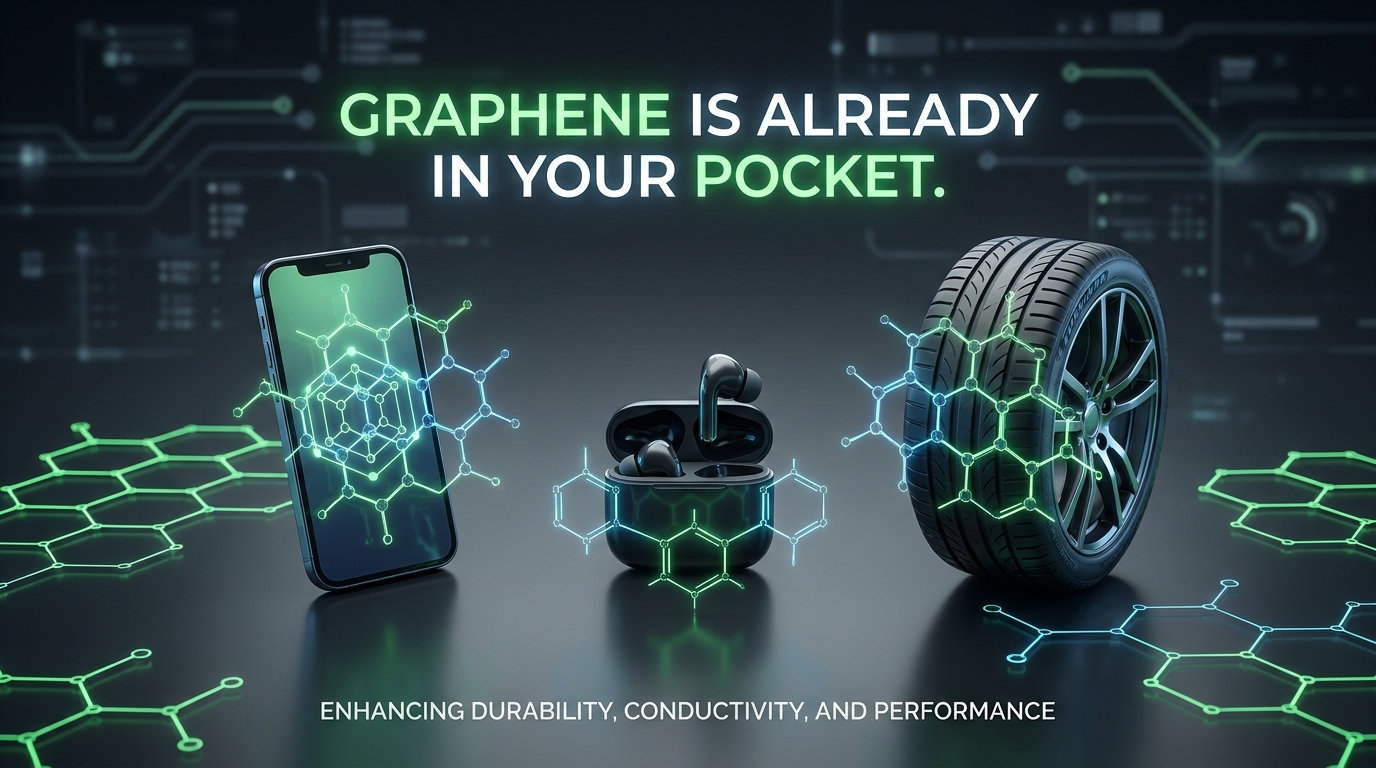
Graphene is already in your house. You just don't know it.
- Phone screen (stronger, thinner glass)
- Battery (charges faster, runs cooler)
- Headphones (cleaner sound, lighter drivers)
- Power bank (better heat dissipation)
- LED bulbs (last longer)
- Tires on your car
- Maybe your mattress
Most people have never heard of graphene.
They interact with it every day.
Bookmark this. You'll want it later.
#Graphene #AdvancedMaterials
6:30 PM ETEngagement — Reply Trigger
Graphene is in at least 10 products you've used this week.
Phones. Tires. Batteries. Paint. Helmets. Headphones. Mattresses. Concrete. Lubricants. LED bulbs.
Here's the question nobody asks...
What product would benefit MOST from graphene that doesn't have it yet?
Best answer gets a follow.
#Graphene
Text only — reply-driven
Saturday, May 9
10:00 AM ETIndustry Signal + Share Trigger
Most people think aircraft are made of aluminum.
They haven't been for decades.
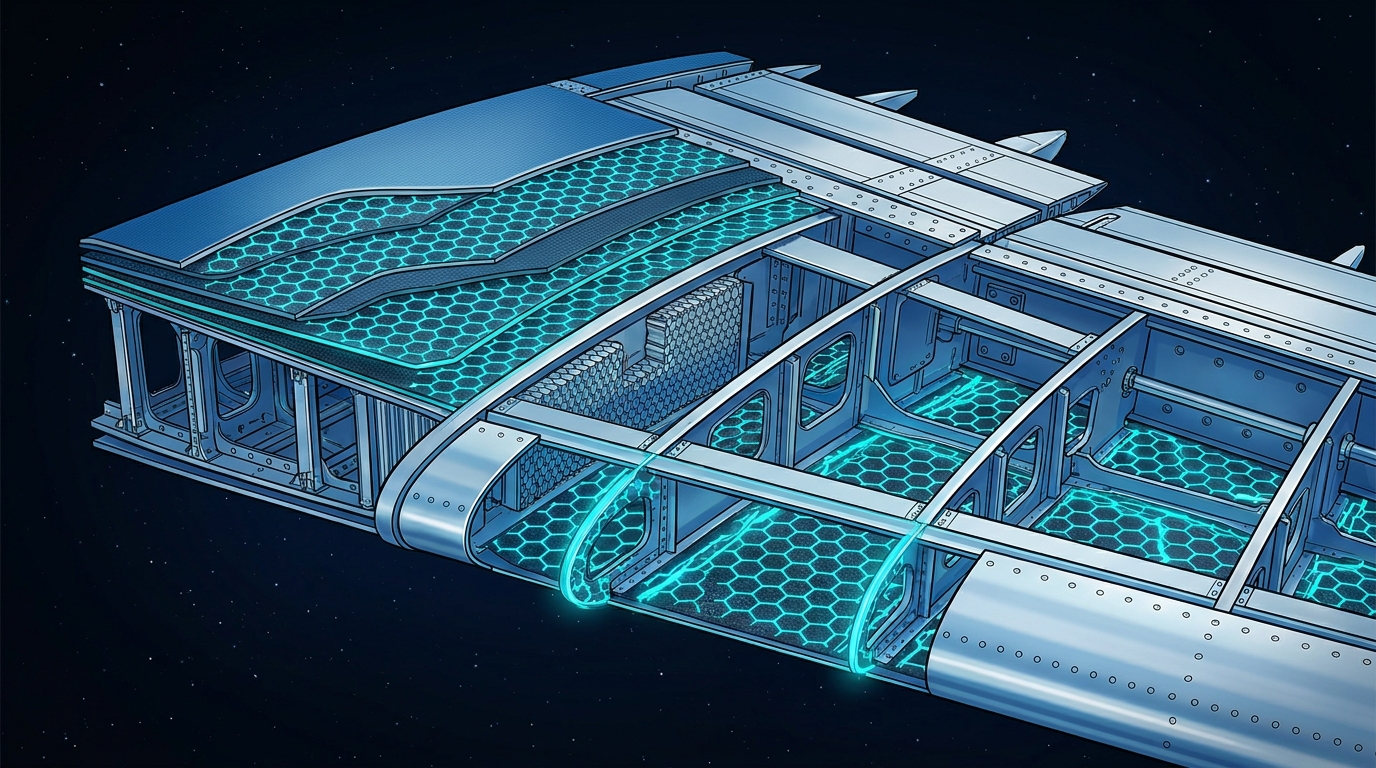
Modern commercial aircraft are 50%+ composite materials. Carbon fiber, epoxy resins, advanced polymers.
Graphene is the next layer. It makes composites:
- Thinner
- Stronger
- Lighter
- Better at conducting heat and electricity
Every pound removed saves fuel. Every flight. Forever.
Repost if you learned something new.
#Graphene #DeepTech
6:45 PM ETScience Bomb + Save
Graphene can stretch up to 25% of its length before it breaks.
Most metals fracture at less than 1%.
Strong AND flexible. That combination almost never exists in materials science.
It's why graphene shows up in:
- Flexible electronics (bendable phones)
- Wearable sensors
- Composite materials under stress
- Spacecraft parts that survive launch vibration
Save this. The flexible strength angle is underrated.
#AdvancedMaterials
Text only
Sunday, May 10
10:30 AM ETScience Bomb + Hot Take
Hot take: Supercapacitors will matter more than batteries within 10 years.
Batteries store a lot of energy. But they charge slow and degrade fast.
Supercapacitors charge in seconds. Last millions of cycles. Handle extreme temperatures.
The problem? Low energy density.
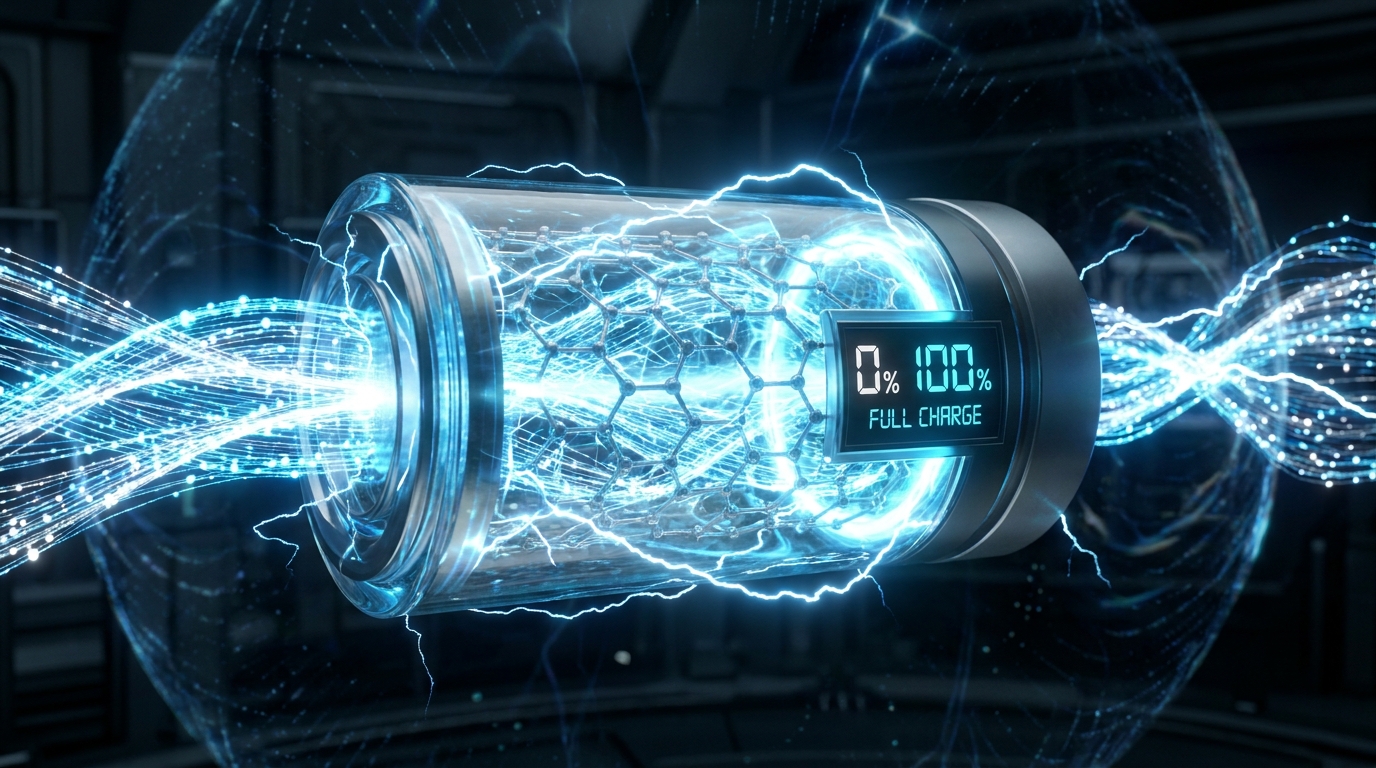
Graphene fixes that. Massive surface area + high conductivity = supercapacitors that actually compete with batteries.
Imagine your phone going 0 to 100 in under a minute.
Agree or disagree? Reply with your take.
#DeepTech #Graphene
7:00 PM ETScience Bomb + Curiosity Gap
Graphene is being tested for brain-computer interfaces.
Not science fiction. Active research.
Why graphene works for neural interfaces:
- Electrically conductive (reads brain signals)
- Biocompatible (body doesn't reject it)
- Ultra-thin (one atom... conforms to tissue)
- Flexible (moves with the brain)
The same material in your tires and phone screen could one day help paralyzed patients move again.
Most people won't believe this is real. It is.
#Graphene #DeSci
Monday, May 11
11:00 AM ETScience Bomb + Save
Graphene is nearly gas-tight.
Even helium... the smallest atom... struggles to pass through a single graphene sheet.
Why that matters:
- Fuel tanks (spacecraft, vehicles)
- Pressure vessels
- Gas separation membranes
- Barrier coatings on everything
One atom thick. Nothing gets through.
Save this for your next "did you know" conversation.
#Graphene
Text only
6:30 PM ETEngagement — Quiz
Pop quiz. Graphene was first isolated using:
A) A billion-dollar particle accelerator
B) Scotch tape
C) A laser
D) Chemical vapor deposition
Two physicists peeled graphite with tape in 2004. Won the Nobel Prize six years later.
Sometimes the simplest tools lead to the biggest discoveries.
How many of you got it right? Reply with your guess.
#Graphene #DeSci
Text only — quiz format
Tuesday, May 12
9:15 AM ETIndustry Signal + Hot Take
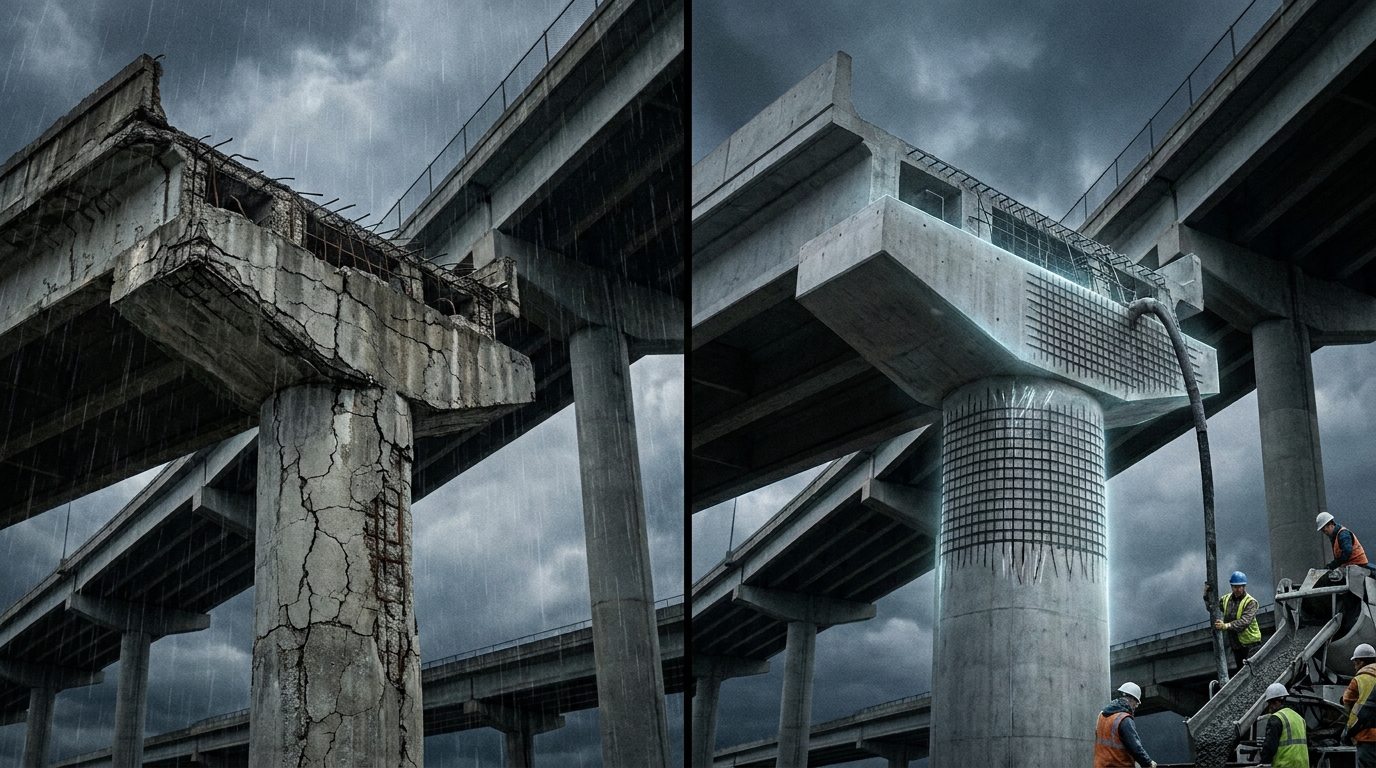
Concrete is the most used material on Earth after water.
It also cracks. That's what concrete does.
A small amount of graphene in the mix:
- Increases compressive strength
- Reduces cracking
- Extends lifespan by decades
Roads. Bridges. Buildings. Dams.
If graphene makes concrete last even 20% longer, the global infrastructure savings are in the trillions.
Nobody talks about this. They should.
#Graphene #DeepTech
6:30 PM ETEveryday Life + Share
Some mattresses now use graphene-infused foam.
Not a gimmick. Graphene conducts heat 10x better than copper.
It pulls body heat away from the sleeping surface faster than standard foam.
Result: cooler sleep. More consistent temperature. No fans needed.
The same material that protects spacecraft from thermal cycling is helping people sleep better.
Tell a friend who runs hot at night.
#Graphene
Text only
Wednesday, May 13
9:45 AM ETScience Bomb + Curiosity Gap
Graphene can detect a single molecule.
One molecule lands on a graphene sensor. The electrical resistance changes. Measurably.
That level of sensitivity matters for:
- Gas leak detection (save lives)
- Medical diagnostics (catch disease earlier)
- Environmental monitoring (detect contamination faster)
- Airport security (trace detection)
Smaller than any lab instrument. More sensitive than most.
99% of people don't know this material exists. You do now.
#Graphene #AdvancedMaterials
6:15 PM ETIndustry Signal
Lightning strikes aircraft more often than you think.
Current protection: heavy copper mesh woven into the skin. Adds weight. Costs fuel. Every flight.
Graphene-based composites handle lightning protection at a fraction of the weight.
Less weight. Same protection. Better fuel economy.
Aerospace doesn't adopt materials because they sound cool. They adopt them because physics demands it.
#Graphene #DeepTech
Thursday, May 14
10:00 AM ETEnvironmental + Save
Not all graphene is created equal.
How it's sourced matters:
Mining graphite: land use, energy, water, transport. Environmental cost at every step.
Biomass-derived graphene: uses waste wood. Local sourcing. Lower footprint.
Same material. Very different supply chains.
The graphene industry is young enough to build sustainability in from the start... instead of retrofitting it later like every other industry had to.
Bookmark this. The supply chain angle is underrated.
OmniGraf content is for informational purposes only. NFA. DYOR.
#ClimaTech #Graphene
6:45 PM ETScience Bomb
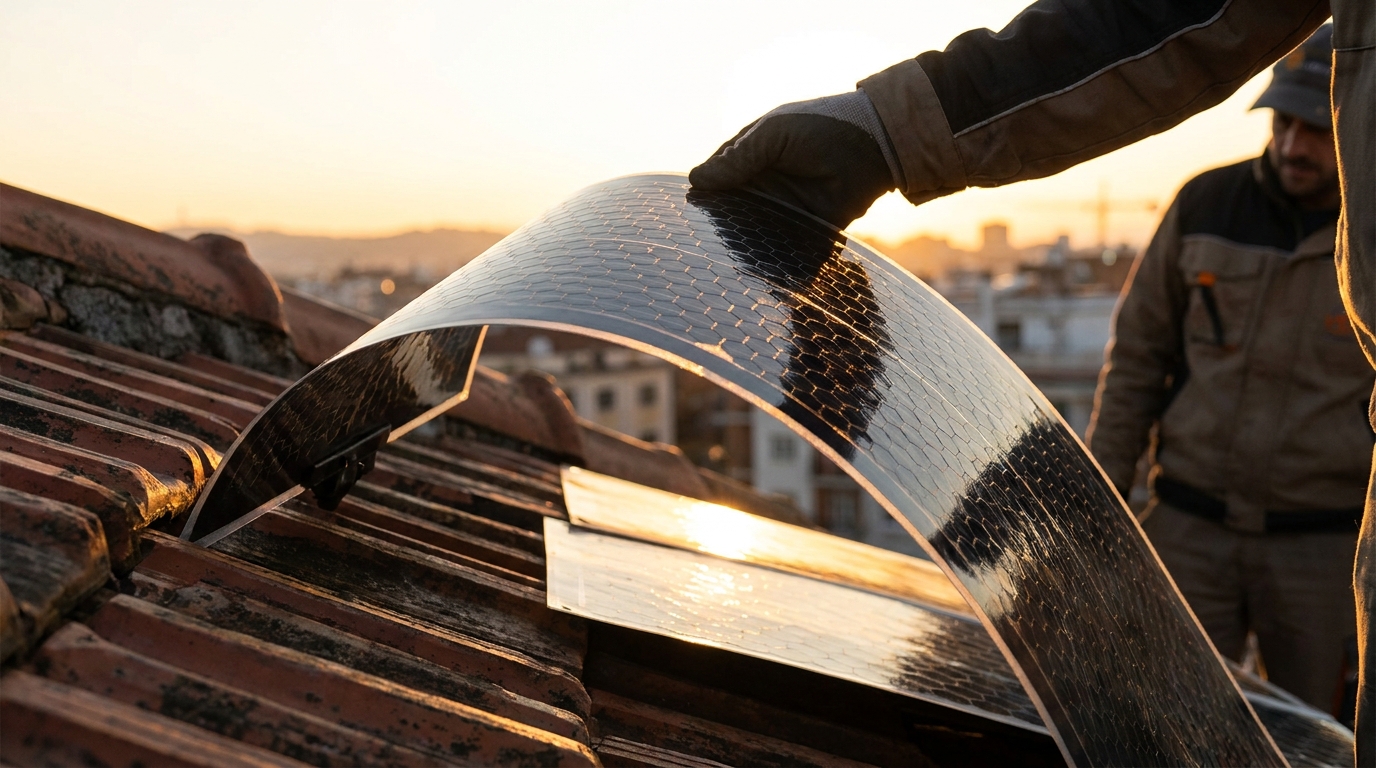
Flexible solar panels are coming. Graphene is why.
Standard solar cells use rigid silicon wafers. Heavy. Fragile. Limited to flat surfaces.
Graphene is:
- Transparent (lets 97.7% of light through)
- Conductive (moves electrons efficiently)
- Flexible (bends without breaking)
That means solar panels on curved roofs, vehicle surfaces, backpacks, tents, clothing.
The sun doesn't care what shape your panel is. Neither does graphene.
#Graphene #ClimaTech
Friday, May 15
9:30 AM ETIndustry Signal
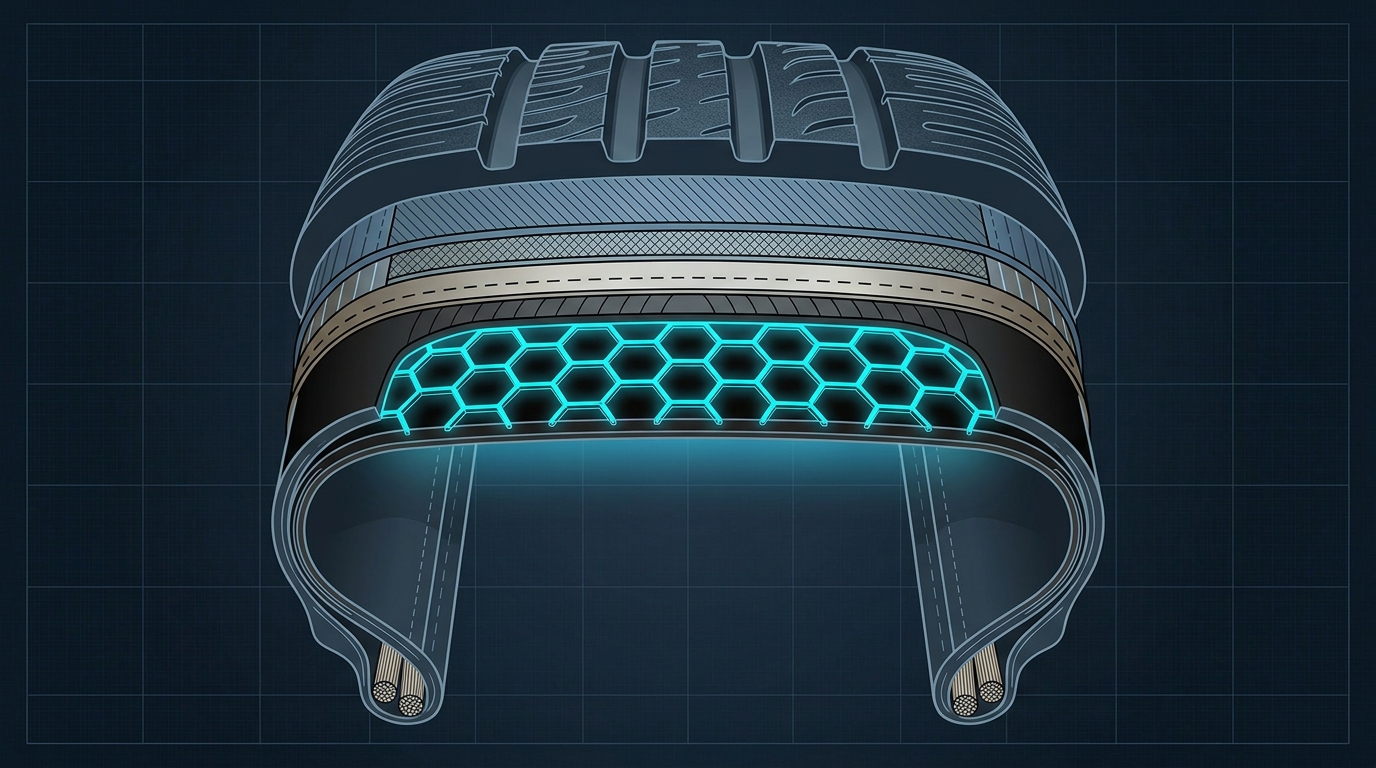
Tires generate heat. Heat kills tires.
Some manufacturers now add graphene to their tire compounds.
Results:
- Longer tread life
- Less heat buildup
- Better grip in wet conditions
- Improved fuel efficiency
Same tire shape. Smarter carbon inside.
Graphene adoption doesn't always look dramatic. Sometimes it just makes existing products work 20% better.
That's how real adoption happens. Quietly.
#Graphene
6:30 PM ETEngagement — Reply Trigger
Name one product you use every day.
There's a strong chance graphene is already in it... or will be within 5 years.
Phones. Tires. Batteries. Paint. Helmets. Headphones. Mattresses. Concrete.
What product would you upgrade with graphene first if you could?
Best answers get a repost. Go.
#Graphene
Text only — reply driven
Saturday, May 16
10:00 AM ETScience Bomb + Save Trigger
Graphene-enhanced lithium-ion batteries are not theoretical.
They're in production. In products. Right now.
What graphene does inside a battery:
- Improves electron flow (faster charging)
- Pulls heat away from hot spots (longer life)
- Stabilizes silicon anodes (biggest failure point)
- Extends cycle life (more charges before degradation)
The battery you buy in 2027 will probably have graphene in it.
You just won't see it on the label.
Save this. Battery tech is moving faster than headlines suggest.
#Graphene #DeepTech
Text only
6:30 PM ETDeSci / RWA
Real-world assets need real-world verification.
A batch of graphene isn't useful unless you can prove:
- What grade it is
- Where it was produced
- What specs it meets
- Who tested it
- Chain of custody from lab to buyer
That's the kind of supply chain data that belongs on-chain.
Immutable. Verifiable. Auditable.
Most physical industries haven't figured this out yet.
The ones that do will set the standard for everyone else.
NFA. DYOR.
#RWA #DeSci
Text only
Sunday, May 17
10:30 AM ETScience Bomb
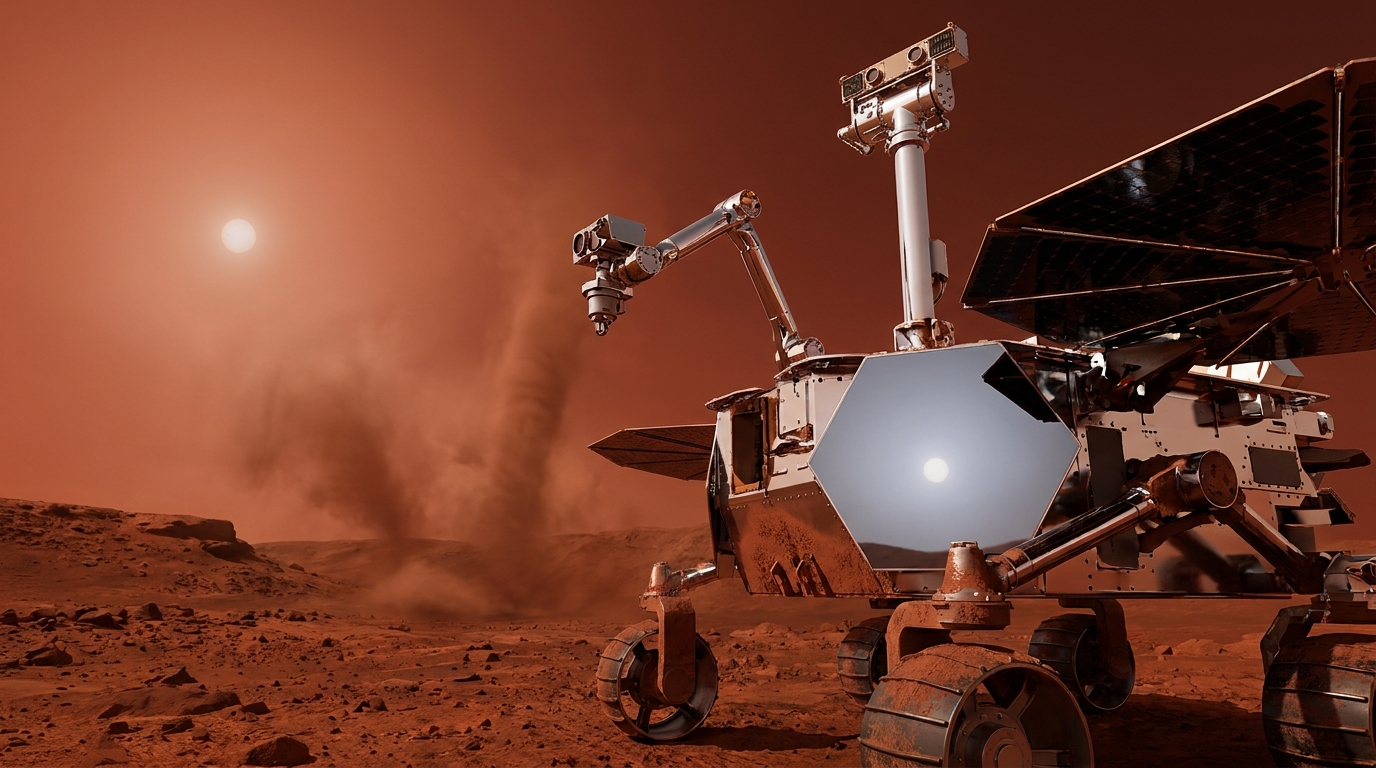
Mars is dusty. Very dusty.
Martian dust sticks to everything... solar panels, optics, sensors, suits.
Graphene coatings are being explored for anti-static and dust-resistant surfaces.
On Earth that's a nice-to-have.
On Mars it's the difference between a working rover and an expensive paperweight.
The harshest environments drive the best materials science.
#SpaceTech #Graphene
7:00 PM ETEngagement — Timeline
Graphene timeline:
2004 — Discovered with Scotch tape
2010 — Nobel Prize in Physics
2014 — First commercial products ship
2018 — Graphene tires hit the market
2022 — First trip to orbit (SpaceX Transporter-4)
2025 — Second trip to orbit (SpaceX Transporter-12)
2026 — 300+ producers worldwide. 15+ industries. Growing 30%+ YoY.
22 years from lab curiosity to commercial product across nearly every industry.
What material has a better track record in that time frame?
Genuinely asking. Reply with your pick.
#Graphene #AdvancedMaterials
Text only — reply driven
Monday, May 18
11:00 AM ETEveryday Life
Smart clothing is real. Graphene makes it work.
Conductive graphene fabrics can:
- Generate heat (wearable heating layers)
- Sense biometrics (heart rate, movement)
- Resist bacteria (stays fresher longer)
- Manage body temperature (warm when cold, cool when hot)
Same t-shirt shape. Capabilities baked into the fiber.
Wearable tech doesn't have to look like tech.
#Graphene
Text only
6:30 PM ETIndustry Signal + Hot Take
Copper wiring in aircraft is heavy. Really heavy.
In some aircraft, wiring harnesses account for significant portions of total weight.
Graphene-based conductive materials could reduce wiring mass over time.
Mass saved = payload gained = money saved.
This won't happen overnight. Copper has 150 years of trust built up.
But every industry slowly finds where graphene outperforms what they're using.
The switch happens application by application. Not all at once. That's how real change works.
#DeepTech
Text only
Tuesday, May 19
9:15 AM ETEnvironmental + Share
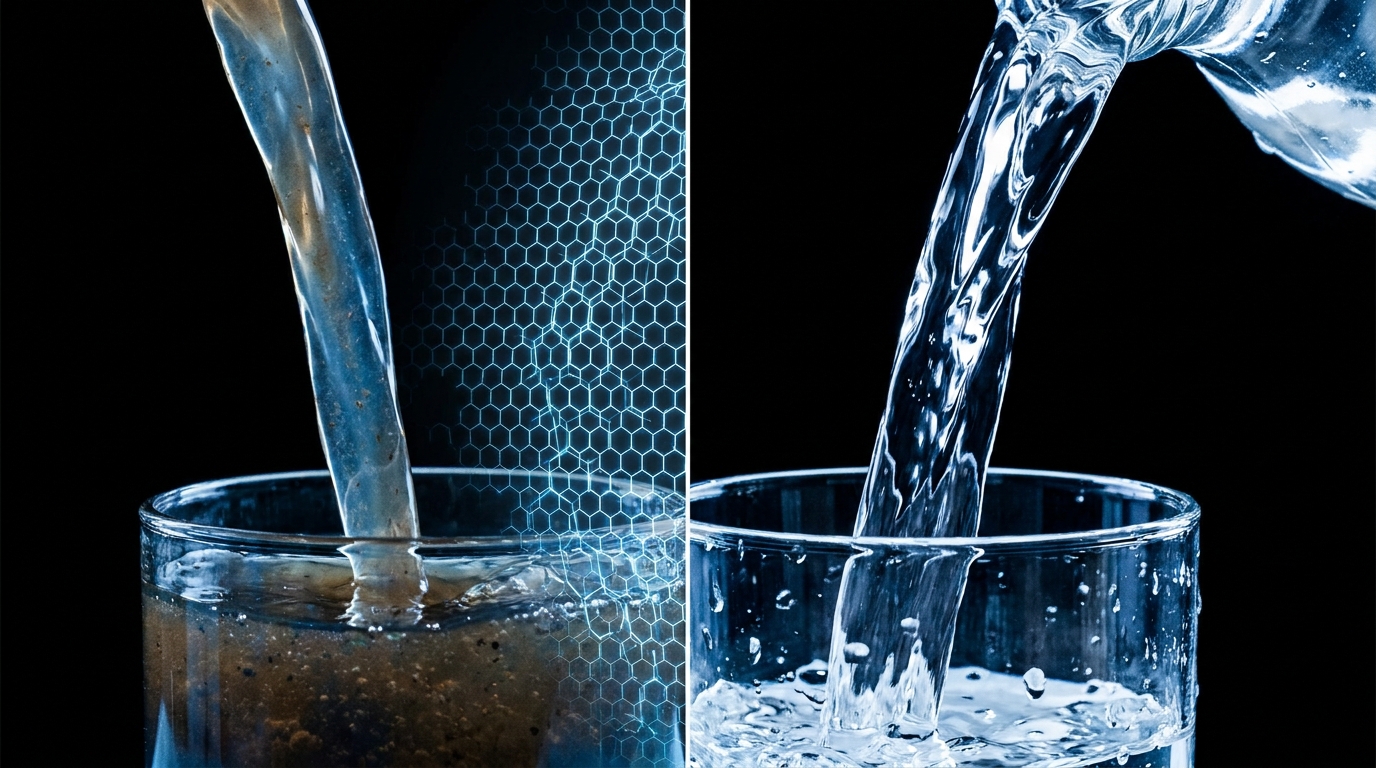
1.2 billion people lack access to clean drinking water.
Graphene oxide can trap heavy metals at the molecular level.
Lead. Mercury. Arsenic. Cadmium.
Unlike traditional filters... graphene-based membranes can be more durable, more precise, and work at lower pressures.
Clean water shouldn't be a luxury. Advanced materials can help make it standard.
Repost if you think more people should know about this.
#Graphene #ClimaTech
6:45 PM ETScience Bomb + Save
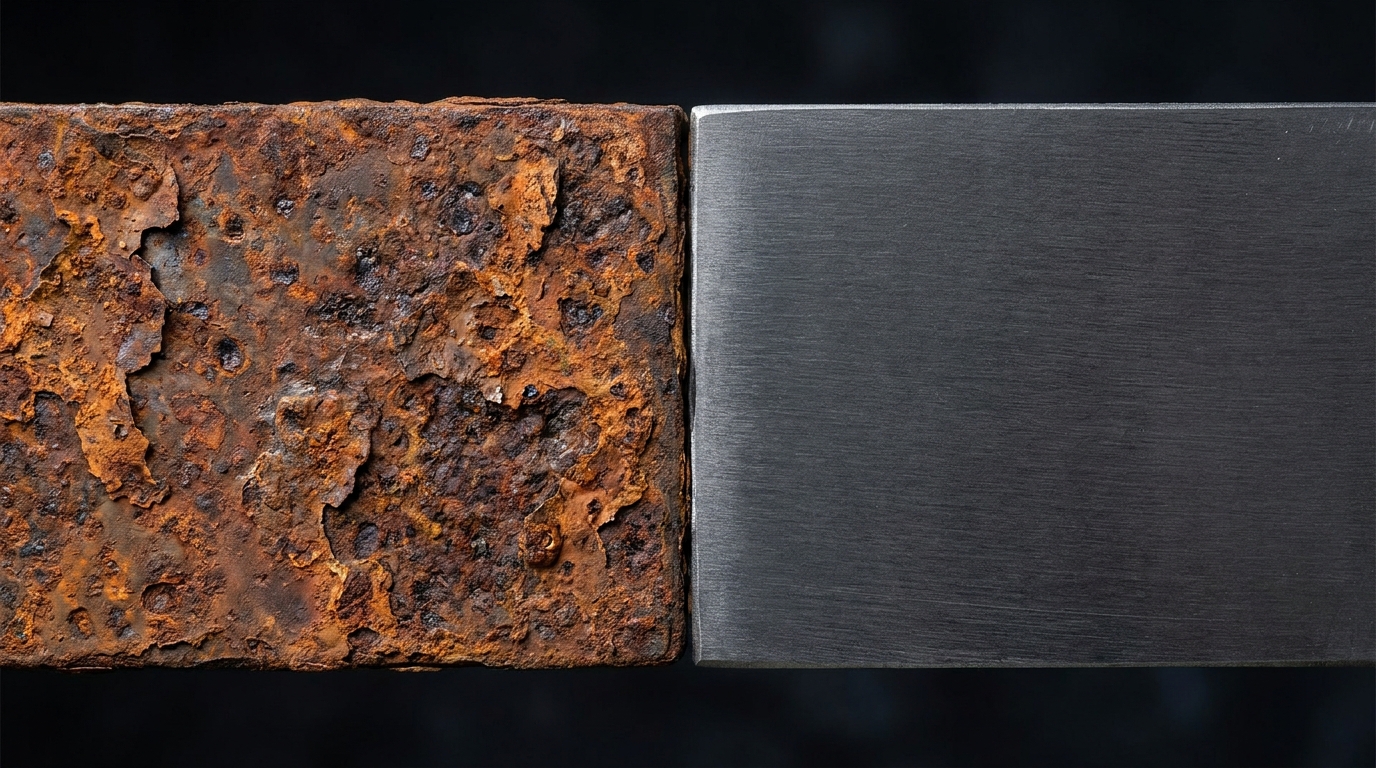
A single atom-thick layer of graphene blocks oxygen and water. Completely.
That's why it's one of the best anti-corrosion coatings ever discovered.
Applications:
- Cars in salt states
- Ships at sea
- Offshore platforms
- Industrial pipes and equipment
Corrosion costs the global economy over $2.5 trillion per year.
Graphene doesn't stop corrosion with thickness. It stops it with physics.
Save this. The corrosion number shocks people.
#Graphene #AdvancedMaterials
Wednesday, May 20
9:45 AM ETIndustry Signal
Carbon black has been the standard filler in rubber for over a century.
Graphene does the same job with less material.
Less filler. Same performance. Lighter product.
Tires. Seals. Gaskets. Hoses. Belts.
It's not a revolution. It's an optimization.
That's exactly how real industries adopt new materials. Not with a press release... with a product spec update nobody notices.
#Graphene
Text only
6:15 PM ETEngagement — True/False
True or false:
1. Graphene is stronger than diamond — TRUE (tensile strength)
2. Graphene conducts electricity — TRUE (better than copper)
3. Graphene is heavier than aluminum — FALSE (millions of times lighter)
4. Graphene has been to space — TRUE (twice, on SpaceX)
5. Graphene can filter salt from water — TRUE (theoretically)
6. Graphene was discovered with a laser — FALSE (Scotch tape)
7. Graphene is already in consumer products — TRUE (phones, tires, headphones)
How many did you get right? Reply with your score.
#Graphene
Text only — reply driven
Thursday, May 21
10:00 AM ETIndustry Signal + Hot Take
Data centers consume 1-2% of global electricity.
Most of that energy becomes heat. Heat needs cooling. Cooling consumes more energy.
It's a thermal death spiral.
Graphene's thermal conductivity could reduce cooling needs at the chip level... moving heat away before it becomes a facility problem.
The AI energy crisis isn't just about chips. It's about the materials between them.
Nobody's talking about this layer. They should be.
#DeepTech #Graphene
6:30 PM ETEveryday Life
Graphene in paints and coatings:
- Car paint (deeper finish, better scratch protection)
- Marine coatings (anti-fouling for boats)
- Industrial equipment (corrosion resistance)
- Buildings (weather protection)
- Appliances (moisture barriers)
You might never know graphene is in your paint.
But your paint will last years longer because it is.
The most important materials are the ones you never notice working.
#Graphene
Text only
Friday, May 22
9:30 AM ETScience Bomb
Military aircraft flex hard... high Gs, rough landings, carrier ops.
Every flex cycle introduces microcracks. Microcracks grow. Parts fail.
Graphene stops microcracks before they spread.
It improves fatigue resistance without adding weight.
Longer airframe life. No redesign needed. Maintenance costs in military aviation run into billions.
Materials that quietly extend service life save more money than materials that make headlines.
NFA. DYOR.
#Graphene #DeepTech
Text only
6:45 PM ETDeSci / RWA
The graphene industry is global but disconnected.
A producer in India. A buyer in Germany. A researcher in California. A manufacturer in China.
They all need:
- Verified material specs
- Transparent batch tracking
- Trusted settlement
- Shared quality standards
That's an infrastructure problem. Not a technology problem.
Infrastructure problems are where coordination tools matter most.
What other physical industries need this? Reply with your pick.
OmniGraf content is for informational purposes only. NFA. DYOR.
#RWA #DeSci
Text only
Saturday, May 23
10:00 AM ETIndustry Signal
EVs have a noise problem nobody talks about.
No engine noise means everything else is amplified... road noise, vibration, wind.
Graphene-enhanced composites reduce noise and vibration in cabin panels.
Quieter ride. No extra weight. No extra thickness.
The EV experience isn't just about range. It's about everything you notice when the engine goes silent.
#Graphene #EV
Text only
6:30 PM ETEngagement — Ranking
Rank these graphene applications by impact on humanity:
1. Clean water filtration
2. Faster-charging batteries
3. Lighter aircraft (less fuel burn, fewer emissions)
4. Better medical sensors (earlier disease detection)
5. Longer-lasting infrastructure
There's no wrong answer.
But your ranking says what you think the world needs most.
Reply with your top 3. Most interesting answer gets a repost.
#Graphene #AdvancedMaterials
Text only — reply driven
Sunday, May 24
10:30 AM ETScience Bomb
Graphene-enhanced lubricants reduce friction at extremely low concentrations.
Less friction = less heat = less wear = longer equipment life = lower energy use.
Industrial machinery. Engines. Bearings. Turbines. Anything with moving parts.
It's not glamorous.
But reducing friction across a factory floor saves more money than most "exciting" innovations ever will.
The boring applications are usually the most profitable.
#Graphene #DeepTech
Text only
7:00 PM ETEnvironmental
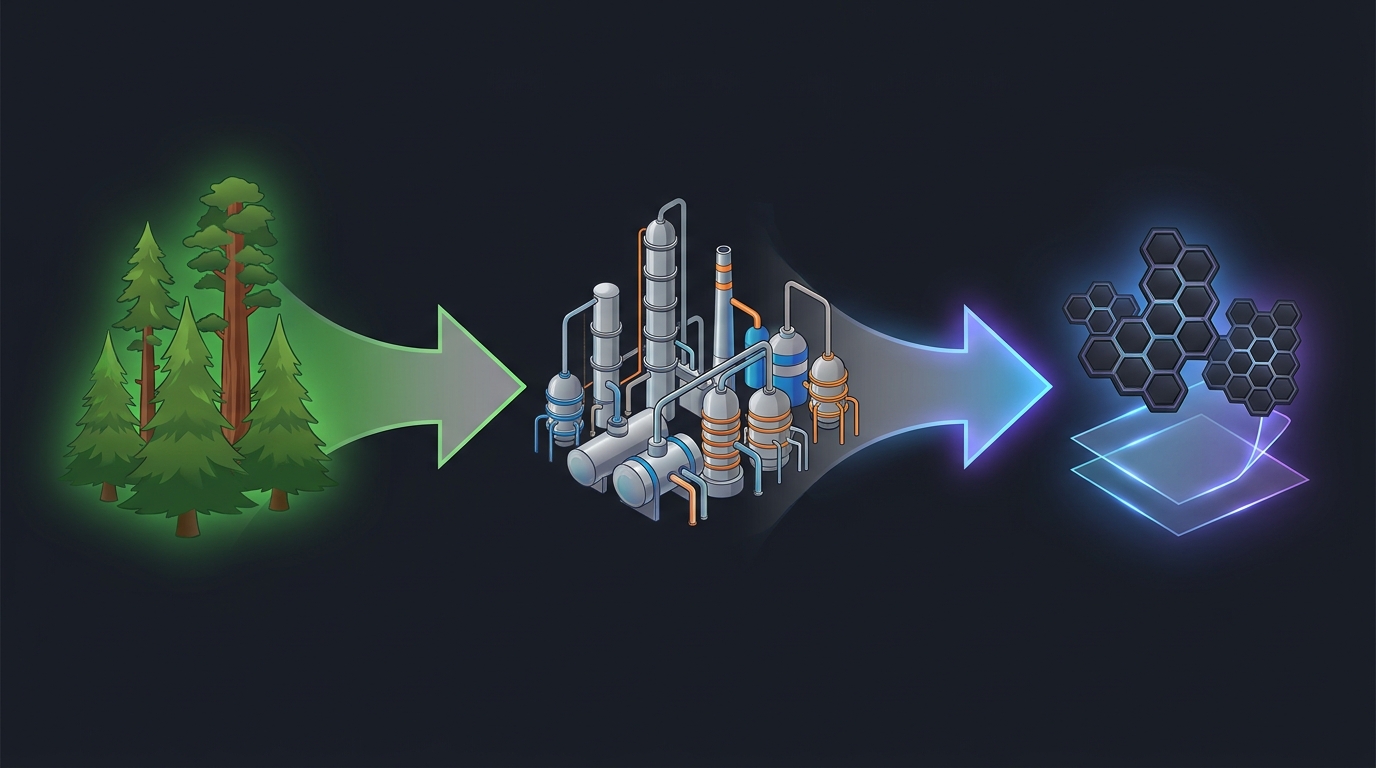
California removes millions of tons of dead and dying trees every year for fire prevention.
Most of it becomes mulch, wood chips, or landfill.
Converting that biomass into advanced materials turns a waste stream into a resource stream.
Waste reduction. Job creation. Material production.
The best sustainability stories don't sound like marketing. They sound like logistics.
Forward-looking statements reflect current expectations and are subject to change. NFA. DYOR.
#ClimaTech #Graphene
Text only
Monday, May 25
11:00 AM ETScience Bomb
Graphene is being tested as a hydrogen separation membrane.
Hydrogen is hard to purify. Current methods are energy-intensive and expensive.
Graphene's atomic structure lets hydrogen pass through while blocking larger molecules.
Cheaper hydrogen purification could accelerate fuel cell adoption for:
- Long-haul trucks
- Shipping
- Industrial processes
- Grid-scale energy storage
One material. Dozens of bottlenecks it can address.
#Graphene #ClimaTech
Text only
6:30 PM ETEveryday Life + Share
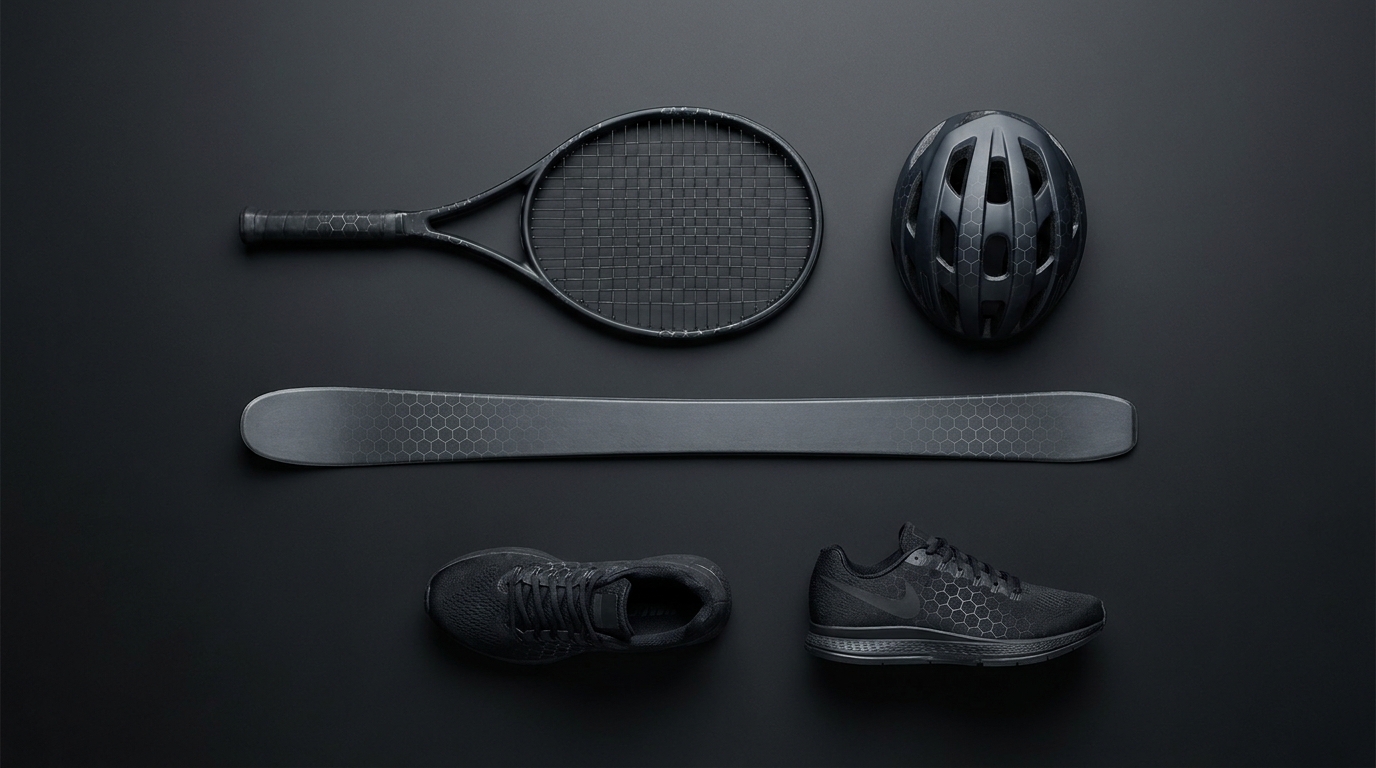
Graphene in sports gear is real:
- Tennis rackets (stronger frames, less vibration)
- Bicycle parts (lighter, stiffer)
- Helmets (better impact absorption at lower weight)
- Skis (improved flex and edge response)
- Running shoes (energy return)
Athletes don't care about nanomaterials.
They care about performance.
Graphene delivers performance without anyone needing to understand why.
Tag someone who'd want to know their gear might have graphene in it.
#Graphene
Tuesday, May 26
9:15 AM ETIndustry Signal
3D printing is getting a graphene upgrade.
Graphene-infused filaments produce parts that are:
- Stronger
- Thermally conductive
- Electrically conductive
- Lighter
For prototyping, custom parts, and low-volume production... this changes what additive manufacturing can actually be used for.
When the raw material improves, every application built on it improves.
That's compounding. In materials science.
#Graphene #DeepTech
Text only
6:45 PM ETScience Bomb + Save
Radiation is the silent killer in space.
Cosmic rays damage electronics, degrade materials, and threaten crew health.
Traditional shielding: heavy metals. Lead. Thick. Expensive to launch.
Graphene is being studied as lightweight radiation shielding.
Strong enough to interact with particles. Light enough to not wreck mass budgets.
If graphene can shield at a fraction of the weight, the implications for Moon bases and Mars missions are massive.
Save this for your next space debate.
#SpaceTech #Graphene
Text only
Wednesday, May 27
9:45 AM ETScience Bomb + Hot Take
Unpopular opinion: Graphene won't replace copper. It doesn't need to.
Copper has 150 years of infrastructure built around it. Mines. Refineries. Standards. Supply chains.
Graphene doesn't need to win everywhere. It just needs to win where copper can't:
- Weight-critical applications (aerospace)
- Extreme thermal environments (chips, engines)
- Corrosion-hostile environments (marine, space)
- Flexible electronics (wearables, bendable screens)
The best new materials don't replace. They complement.
Agree or disagree? Quote this with your take.
#Graphene #AdvancedMaterials
Text only — quote RT trigger
6:30 PM ETEngagement — Stats Card
The graphene industry by the numbers:
- First isolated: 2004
- Nobel Prize: 2010
- Verified producers: 300+
- Commercially mature: far fewer
- Industries using it: 15+
- Times in orbit: 2
- Weight of 1 sq meter: 0.77 milligrams
- Stronger than steel by: 200x
- Thermal conductivity vs copper: 10x
- Electron speed vs silicon: 100x
One material. One paragraph. More impressive than most pitch decks.
Follow @OmnigrafOGX.
#Graphene
Text only
Thursday, May 28
10:00 AM ETEnvironmental
Not all carbon is the same.
Graphite from mining vs. graphene from biomass... same element, very different footprints.
Biomass-derived production:
- Uses waste feedstock (not mined material)
- Lower transport emissions (local sourcing)
- Creates local jobs in rural communities
- Reduces landfill volume
How a material is made is becoming as important as what it does.
The graphene industry can get this right from the start. Most industries didn't.
OmniGraf content is for informational purposes only. NFA. DYOR.
#ClimaTech #Graphene
Text only
6:30 PM ETDeSci / RWA + Reply
Physical supply chains run on trust.
"Is this the grade you said it is?"
"Was it tested by a certified lab?"
"Can you prove chain of custody?"
Every transaction. Answered with PDFs, phone calls, and handshakes.
On-chain verification doesn't replace trust. It makes trust verifiable.
That's the difference between "take my word for it" and "check the record."
What industry would benefit most from on-chain verification? Reply below.
NFA. DYOR.
#RWA #DeSci
Text only — reply driven
Friday, May 29
9:30 AM ETIndustry Signal
Jet engine turbine inlet temperatures exceed 1,500°C.
Components near the engine need materials that move heat fast and survive thermal cycling thousands of times.
Graphene's thermal conductivity: over 3,000 W/mK.
Not a replacement for superalloys. A complement. Pulling heat away from components that can't tolerate it.
The unsexy truth about advanced materials: most of the value is in thermal management.
Cooling things down is worth more than making things stronger.
#Graphene #DeepTech
Text only
6:45 PM ETScience Bomb
Vibration is noise in a mechanical system. Reducing it improves everything downstream.
Graphene-enhanced polymers reduce vibration in:
- Aircraft (better sensor accuracy)
- Vehicles (quieter cabin)
- Machinery (less component wear)
- Satellites (more stable instruments)
Not exciting. Extremely useful.
The best materials don't announce themselves. They just make everything around them work better.
#Graphene
Text only
Saturday, May 30
10:00 AM ETEnvironmental + Save
Wildfire season in California isn't a surprise anymore. It's a certainty.
The wood cleared for fire prevention has to go somewhere.
Landfill. Mulch. Open burn.
Or... advanced materials production.
Converting biomass into graphene, renewable diesel, and lignin turns a disposal cost into a production input.
That's not a pitch. That's logistics.
Bookmark this. The wildfire-to-materials story is one of the most underreported angles in climate tech.
Forward-looking statements reflect current expectations and are subject to change. NFA. DYOR.
#ClimaTech #Graphene
Text only
6:30 PM ETEngagement — Poll
If you could give one industry unlimited graphene tomorrow, which creates the most impact?
A) Healthcare (sensors, implants, diagnostics)
B) Energy (batteries, solar, supercapacitors)
C) Infrastructure (concrete, coatings, water treatment)
D) Space (lightweight structures, radiation shielding)
E) Computing (thermal management, interconnects)
No wrong answer. Most interesting reasoning gets a repost.
Follow @OmnigrafOGX.
#Graphene
Text only — reply driven
Sunday, May 31 — Month Close
10:30 AM ETDeSci / RWA
The graphene industry is 22 years old and growing 30%+ year over year.
Hundreds of producers. Dozens of applications. Global demand rising.
What it still doesn't have:
- Standardized quality verification
- Transparent cross-border settlement
- Shared traceability infrastructure
Every maturing industry eventually needs coordination tools.
Graphene is reaching that inflection point.
OmniGraf content is for informational purposes only. Not an offer to sell or solicitation to buy. NFA. DYOR.
#RWA #Graphene
Text only
7:00 PM ETMonth Recap + Save + Share
One month of graphene facts. Here's what we covered:
It's in your phone, tires, mattress, and headphones.
It's been to space. Twice.
It filters water at the molecular level.
It conducts heat better than any known material.
It was discovered with Scotch tape.
It strengthens concrete, batteries, aircraft, and armor.
It's one atom thick and could hold a cat.
It can detect a single molecule.
It could make solar panels flexible.
It might help paralyzed patients move.
This material is just getting started.
Save this thread. Repost it. Share it with someone who should know.
Follow @OmnigrafOGX. We're just getting started too.
#Graphene #AdvancedMaterials #DeSci